The UN climate change conference "COP31" in Antalya, Turkey, concluded on Sunday after countries failed to reach a comprehensive agreement following more than two weeks of tough negotiations. The breaking point was the dispute over the fundamental cause of climate change, which is fossil fuels.
The annual climate talks, sponsored by the UN, which extended beyond their scheduled time during the weekend, are the longest in the history of the Conference of the Parties (COP) and represent the first major collapse of negotiations since the "COP15" conference in Copenhagen in 2009.
Experts criticized what they described as a "monumental failure of leadership," at a time when the climate crisis is accelerating and its impacts are becoming more devastating. Mohamed Adow, director of the Power Shift Africa research center, stated, "This has been the worst climate conference ever, and its collapse should serve as a wake-up call to the world."
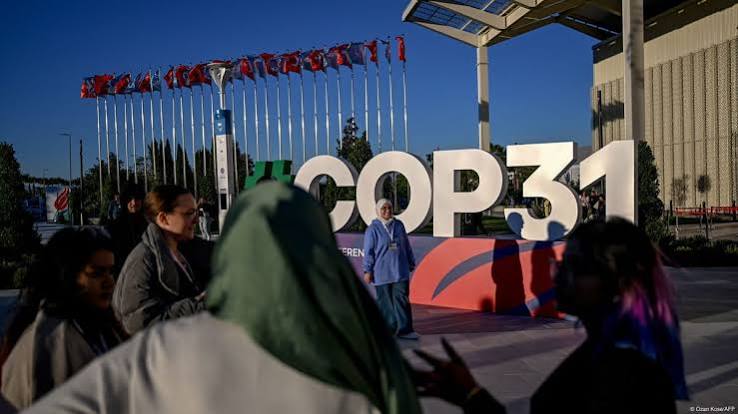
During the final meeting dedicated to adopting what was called the "Antalya Charter," it was clear that the necessary consensus among participating countries, which number over 190, was absent for approving the agreement.
Deep divisions over key issues could not be settled, notably the inclusion of language calling for a transition away from fossil fuels, which was not part of the agreement, along with the need to increase financial support for countries already facing climate change-related disasters.
Among the parties that rejected the agreement were the European Union, Panama, the Marshall Islands, and Norway. Daragh O’Brien, Ireland's climate minister who co-led the negotiations on behalf of the EU, stated that the bloc would not support an agreement that "does not even mention fossil fuels."
For his part, Murad Korom, the COP31 president, acknowledged the lack of sufficient support to approve the charter, saying, "We did our best, but it is clear that there are parties in this room that oppose this text. We realize that there is no consensus on this document."
These talks come at a particularly critical time for the planet; as geopolitics turmoil, including the war in Iran causing the largest shock to global energy supplies, climate crisis continues to accelerate.
A troubling UN report published earlier this month confirmed that the world will exceed the goal of limiting global warming to 1.5 degrees Celsius above pre-industrial levels. Based on current policies, temperatures are expected to rise by 2.8 degrees Celsius, a level that could have catastrophic consequences.
The planet is currently experiencing a temperature rise of approximately 1.4 degrees Celsius, and the impacts of this are clearly evident, from devastating floods in Nepal to deadly heatwaves in Europe.
A huge gap between parties
COP31 revealed a vast gap between parties calling for ambitious climate action, often the most vulnerable countries to the impacts of climate change, and oil-rich countries opposing these directions.
As in previous climate conferences, the main point of contention revolved around two words: "fossil fuels."
At COP28 held in Dubai in 2023, countries agreed on an unprecedented call to "transition away from fossil fuels." Since then, this call has not been repeated or built upon, as oil-producing countries resist any mention of the primary source of the climate crisis.
The initial draft of the "framework decision" for COP31, which outlines the overall agreement of the conference, included a call for "the immediate transition away from fossil fuels in energy systems."
However, all references to fossil fuels were removed from subsequent drafts, despite more than 100 countries calling for their retention.
In this context, Harjeet Singh, a veteran climate conference negotiator and founder and director of the Satat Sampada Climate Foundation, stated, "The fossil fuel crisis cannot be solved by pretending that we do not need to phase out fossil fuels."
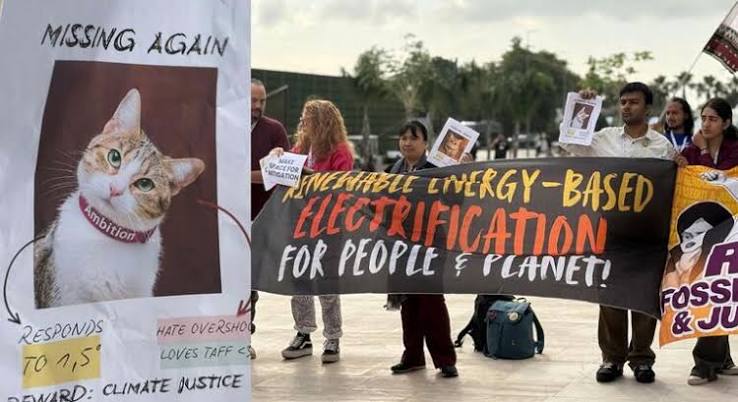
Carbon "capture" technologies
Countries and climate organizations also expressed concerns about what was included in the agreement regarding the expansion of carbon "capture" technologies, which allow for the continued production of fossil fuels, provided that the resulting carbon emissions are captured before they reach the atmosphere.
Although many scientists believe that the level of carbon pollution may make these technologies somewhat necessary, they remain expensive and have not demonstrated effectiveness at scale. Critics argue that they serve as a dangerous distraction from climate policies that address the root cause of the crisis.
Matt Webb, co-director of global clean energy diplomacy at the climate research center E3G, said, "Relying on carbon capture technologies without reducing fossil fuel use is like trying to quit smoking while continuing to light cigarettes."
Funding for adaptation to climate disasters
Funding was another major point of contention; poorer and more vulnerable countries have long demanded more funds to assist them in adapting to the climate disasters they face disproportionately, despite having contributed only a small amount to causing them.
Numerous developing nations expressed deep disappointment, as the draft agreement called for efforts to triple climate change adaptation funding by at least 2035, but it did not include a baseline against which this goal could be measured or specific figures for the required funding.
Singh stated, "Rich countries rejected providing the necessary funds to help communities prepare for and recover from climate disasters, while allowing polluters a chance to escape accountability."
He added, "Not reaching an agreement is better than reaching an agreement that perpetuates failure."
However, many experts expressed bitter disappointment over the world's failure to address the climate crisis with the seriousness and speed it requires.
Mary Robinson, the former Irish president and veteran of climate conferences, stated, "The recognition of the risks of exceeding targeted warming thresholds should have driven leaders to act, but COP31 witnessed a shameful lack of urgency and leadership."