The 19th edition of the International Women's Film Festival concluded in the Moroccan city of Salé, adjacent to the capital Rabat, after six days filled with film screenings, competitions, seminars, encounters, and honors that focused on the presence of women in cinema and their role in expressing social and cultural transformations.
A statement from the organizing committee, followed by the news video agency, indicated that this edition discussed women's issues in light of societal transformations and Morocco's commitments under various international agreements, noting that these topics were highlighted in the works of Moroccan female filmmakers who addressed societal issues and aspirations in their films.
The statement added that the festival brought together directors, actresses, critics, researchers, cinema students, and a broad audience within a diverse program that explored women's experiences in the seventh art, both as creators and filmmakers, while also addressing their realities and issues through cinematic treatments.
The official competition for feature films included nine films from diverse cinematic experiences, while the documentary competition featured five works, including the Moroccan film "Out of School" by director Hind Benjelloun. Moroccan cinema was also represented in the feature competition by the film "Malaga Street" by director Maryam Touzani.
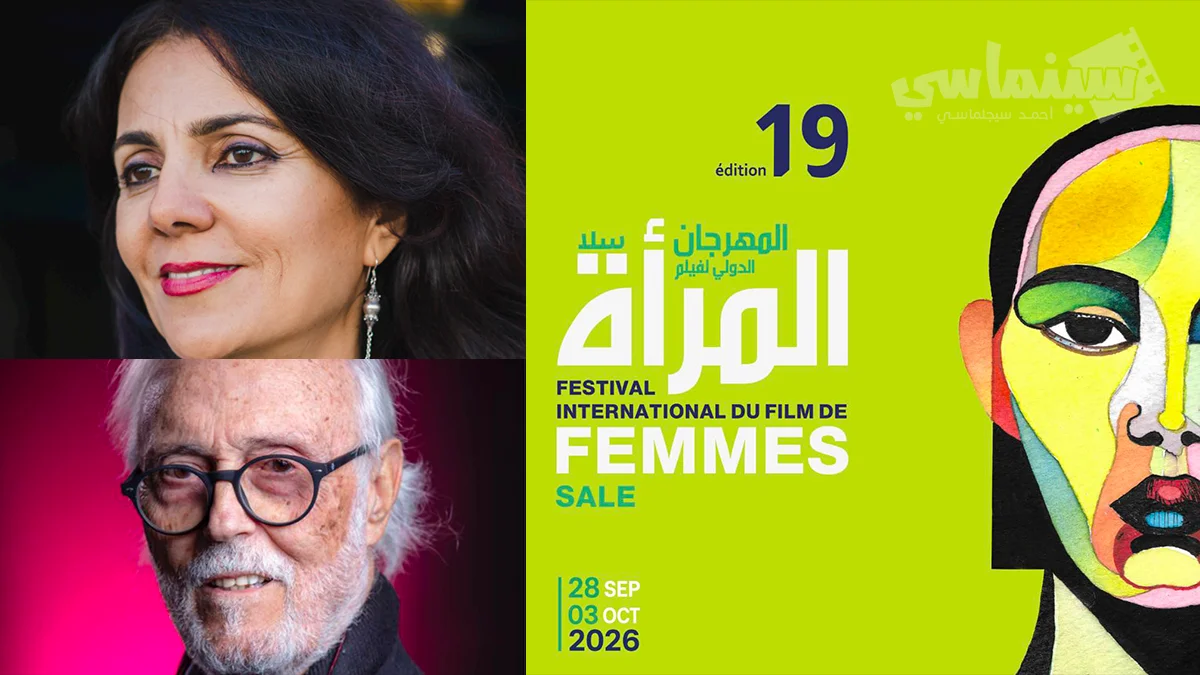
The program included seminars, workshops, and meetings discussing cinematic creativity and the role of women in film production, along with activities aimed at youth and cinema students, and competitions for both short and feature films directed at emerging audiences.
Discussions addressed several social issues, including violence, harassment, family protection, and equal rights, in addition to the protection of childhood and youth. The cultural and intellectual aspect evoked the legacy of the late Moroccan researcher and thinker Fatima Mernissi, through meetings that explored the relationship between cinema and civil society issues.
Honors constituted one of the most prominent highlights of the festival, celebrating several Moroccan and international figures, including Mohamed Abderrahmane Tazi, Amal Ayouch, Mariam Zaimi, and Ibtisam Larouci, alongside the Quebec director and novelist Anaïs Barbeau-Lavalette, as well as honoring the late Aicha Ben Khedra.
Since its establishment, the International Women's Film Festival in Salé has made women's experiences in cinema the focus of its program, allowing for the exchange of experiences between Moroccan and international endeavors and discussing issues of creativity, the image of women, and the relationship of cinema with society.
The edition concluded with a commitment to continue supporting women's cinema, discovering new cinematic experiences, and enhancing cultural and social dialogue through films and the visions and issues they present.