In a message addressed to the Secretary-General of the United Nations and the President of the Security Council regarding "the ongoing American aggression against Iran through maritime blockade," the Iranian ambassador and Chargé d'Affaires described this aggression as a blatant violation of international law and the United Nations Charter, calling for its condemnation and for America to respect Iran's sovereignty and territorial integrity and to cease the maritime blockade.
Gholam Hossein Dorzi, the Iranian ambassador and Chargé d'Affaires at the United Nations, sent a letter to the Secretary-General of the United Nations and the President of the Security Council on Wednesday local time, regarding the continued American aggression against Iran through maritime blockade, urging them to reject and condemn this aggression strongly, considering it a blatant violation of the United Nations Charter and international law, including the principle of prohibiting the use of force and the principle of respecting Iran's sovereignty and territorial integrity. The Iranian ambassador to the United Nations also called on the Secretary-General and the Security Council to demand an immediate cessation of military aggression against Iran and the lifting of the maritime blockade, respect for Iran's sovereignty and territorial integrity, and full compliance with its obligations under the United Nations Charter and international law. He acknowledged that the U.S. continues to bear international responsibility for its internationally unlawful actions, including military aggression and any other repeated violations of international law, and that its obligations to cease its unlawful behavior and provide full compensation, according to the Law of State Responsibility, remain in effect. Iran's message to the Secretary-General of the United Nations and the President of the Security Council urged all member states to refrain from colluding with, supporting, facilitating, or implementing any unilateral coercive measures taken by America that violate international law and the United Nations Charter, especially those that cause widespread humanitarian harm to civilian populations or are likely to cause such harm. The ambassador and Chargé d'Affaires of the Islamic Republic of Iran at the United Nations mentioned in the letter that Iran will continue to exercise its inherent right to self-defense in response to any aggressive act, in accordance with Article 51 of the United Nations Charter.
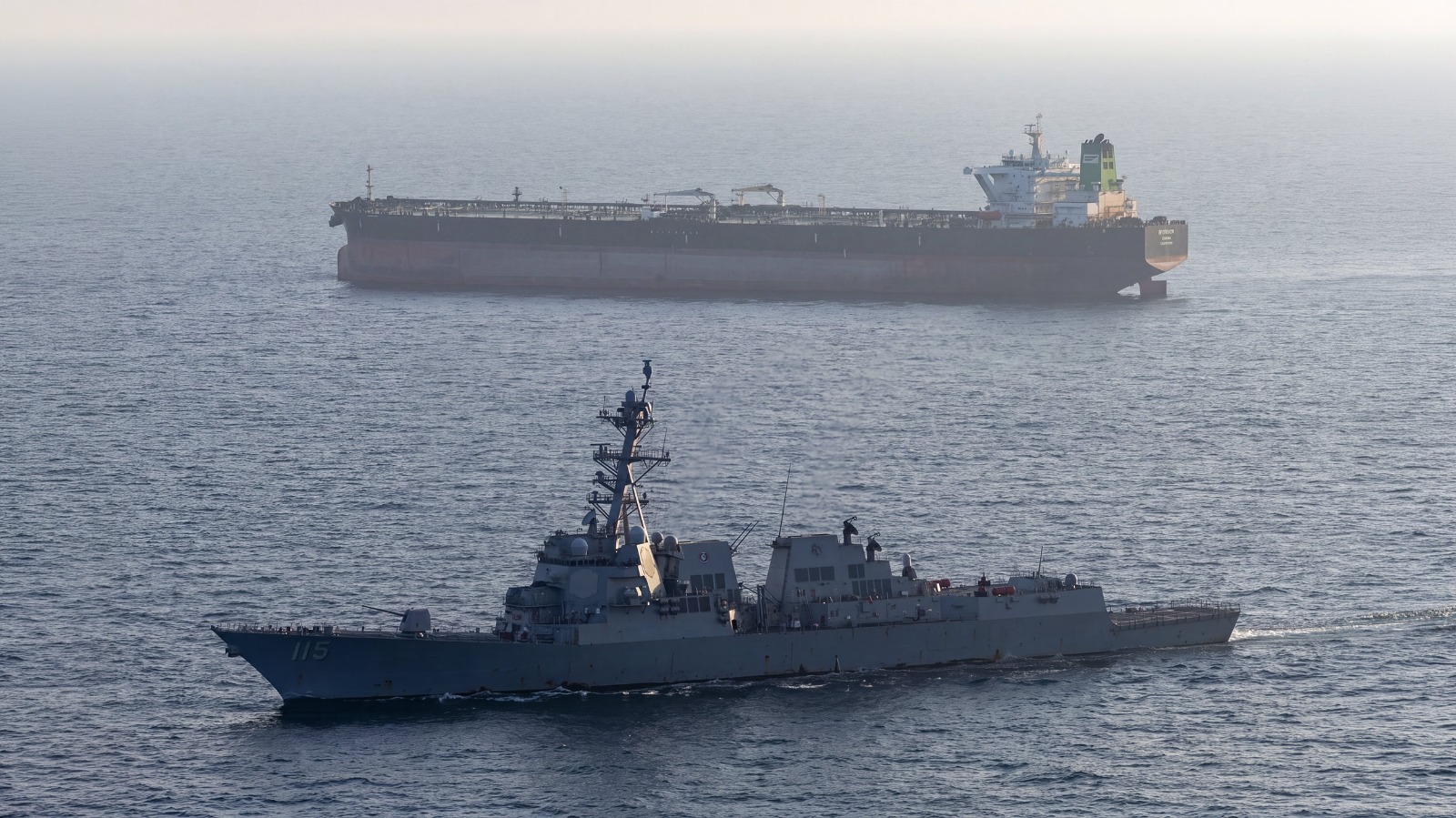
The letter addressed to António Guterres, the Secretary-General of the United Nations, and Aglaia Baltá, the President of the Security Council (rotating), regarding the continued American aggression against Iran through the maritime blockade stated: In continuation of my previous letters regarding the aggressive actions taken by the United States and the Israeli entity against the sovereignty of the Islamic Republic of Iran and its territorial integrity, I would like to draw your Excellency's and the members of the Security Council's attention to the grave and ongoing consequences of the aggressive actions committed by the United States against the Islamic Republic of Iran since February 28, 2026; I would also like to point out the illegal blockade imposed on Iran since then, which is still continuing today. These aggressive acts, along with the continual and repeated threats from the American president to destroy Iranian infrastructure, pose a serious threat to international peace and security, and constitute a blatant violation of the United Nations Charter, particularly Article 2, paragraph 4, and the peremptory norm of international law (jus cogens) that prohibits aggression. These threats and acts endanger civilian lives and violate the basic obligations under international humanitarian law to protect civilians and civilian objects, obligations that remain in effect regardless of the illegality of the aggressive war imposed on the Iranian people.
The United States has also continued and escalated its hostile actions through the implementation of an economic coercion campaign known as "Operation Economic Outcast," imposing extensive and unlawful sanctions on the Iranian aviation sector and other vital sectors of the economy. These measures, along with the hostile maritime blockade, have exacerbated the dire consequences of aggression and caused more harm to civilians, which constitutes collective punishment, prohibited under international humanitarian law. Firstly, the continued maritime blockade is not an isolated or purely economic act; rather, it is part of a broader context that includes initial aggressive acts, the ongoing use of military force, and the resulting violations of Iran's sovereignty and territorial integrity. Although the blockade has been accompanied by a wider range of unlawful acts of force, the legal consequences of these acts are extremely serious and must be assessed in light of Article 2, paragraph 4, of the United Nations Charter, which prohibits the threat or use of force against the territorial integrity or political independence of any state. Article 3, paragraph (g), of the "Definition of Aggression" annexed to United Nations General Assembly resolution 3314 (29) of December 14, 1974, explicitly states that "the blockade of the ports or coasts of a state by the armed forces of another state" is considered an act of aggression. Thus, these actions establish Iran's inherent right to self-defense under international law, a right that remains in effect as long as the blockade on Iranian territory continues.
Secondly, the United States cannot evade its international responsibility by replacing direct military attacks with a continuous campaign of military prohibitions and economic coercion, or by adding these measures to its direct attacks. Under the Law of State Responsibility, the United States is obliged to cease its internationally unlawful acts and provide full compensation for the damages caused by them, including all material and moral damages suffered by the Iranian people as a result of its aggressive actions, as well as the direct targeting of civilians, including women and children, homes, schools, hospitals, and other civilian properties and infrastructure. The obligation to cease this behavior remains as long as it violates international law. Therefore, the United States bears international responsibility for both its initial aggressive actions and subsequent military actions, including the imposition of the maritime blockade.
Thirdly, the blockade and the accompanying restrictions have grave humanitarian consequences that far exceed military considerations. These measures jeopardize the availability of food, medicine, medical supplies, fuel, agricultural inputs, and other essential goods for the survival of civilians by disrupting maritime trade, restricting the movement of commercial vessels, and disrupting access to basic goods. International humanitarian law specifies obligations to protect civilians, prohibits the use of starvation as a method of warfare, and facilitates the delivery of humanitarian assistance, in accordance with the relevant legal requirements. Military blockade should not be used as a means to impose collective punishment on civilian populations or to deprive them of the essential materials for their survival. In light of these obligations, the continued enforcement of the blockade is a separate and independent violation of international humanitarian law, which adds to the illegality of the initial acts of aggression.
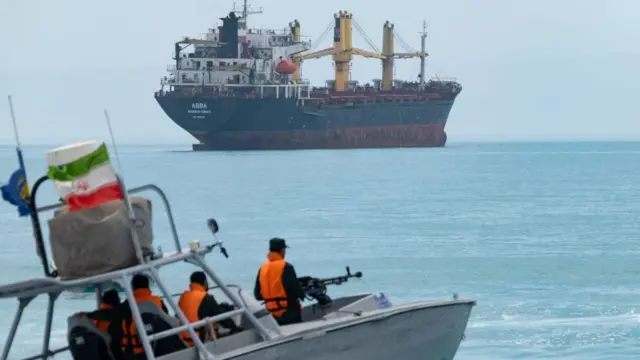
Fourthly, the imposition of economic pressures through unlawful measures against the Iranian civil aviation sector and broader commercial and financial networks exacerbates these humanitarian and economic risks. The restrictions imposed on airlines disrupt access to aircraft, spare parts, equipment, maintenance, repair, inspections, and technical services necessary for the safe operation of civilian aircraft. These measures endanger travelers and aviation workers and restrict the movement of millions of civilians. These measures also show a clear disregard for the binding ruling issued by the International Court of Justice on October 3, 2018. In that ruling, the Court explicitly referred to the potential impact of U.S. actions on the safety of civil aviation and the lives of its users, ordering the United States to remove existing obstacles to the free export of essential goods and services for the safety of civil aviation to Iran. The systematic use of economic and financial measures to deliberately impose severe and widespread deprivation on the Iranian civilian population, with the aim of exerting political pressure, constitutes collective punishment and a crime against humanity; it is an act that constitutes a blatant violation of the United Nations Charter and fundamental principles of international law, including international humanitarian law. The Islamic Republic of Iran affirms that respect for the sovereignty of states and their territorial integrity, the prohibition of the use of force, and the peaceful settlement of international disputes are fundamental principles of the international legal order upon which the United Nations is founded. No state, regardless of its military strength or its permanent membership in the Security Council, has the right to ignore these obligations or impose its will on another sovereign state by military force.
The ongoing enforcement of the maritime blockade in the context of the aggression war that began on February 28, 2026, foreshadows the continued use of unlawful force and the normalization of violations of international law. This situation undermines confidence in the authority of the United Nations Charter and the ability of the United Nations to enforce international law impartially and without double standards. In this context, the Islamic Republic of Iran calls on His Excellency the President and the members of the Security Council to take the following measures in line with their responsibilities under the United Nations Charter: 1. Reject and condemn the ongoing aggressive actions perpetrated by the United States against the Islamic Republic of Iran through the maritime blockade, considering them a blatant violation of the United Nations Charter and international law, including the principle of prohibition of the use of force and the principle of respecting the sovereignty of the Islamic Republic of Iran and its territorial integrity. 2. Call on the United States to immediately cease military aggression against Iran and to lift the maritime blockade, respect Iran's sovereignty and territorial integrity, and fully comply with its obligations under the United Nations Charter and international law. 3. Acknowledge that the United States is still internationally responsible for its internationally unlawful actions, including military aggression and any ongoing violations of international law, and that its obligations to cease its unlawful behavior and provide full compensation, according to the Law of State Responsibility, remain in effect.
4. We call on all member states to refrain from colluding with, supporting, facilitating, or implementing any unilateral coercive measures taken by the United States that violate international law and the United Nations Charter, particularly those that cause or are likely to cause widespread humanitarian harm to civilian populations. Holding perpetrators of aggression and other internationally unlawful acts accountable is an indispensable necessity for maintaining international peace and security. The Islamic Republic of Iran will seek to resort to all available legal avenues to ensure accountability, justice, and the realization of its rights, and will hold those responsible for these unlawful acts accountable for their consequences. The internationally unlawful acts committed by the United States entail its international responsibility, including the obligation to provide full compensation for the damage caused; compensation, according to international law, includes restitution, compensation, and satisfaction. This does not detract from the potential individual criminal responsibility that may apply to individuals who ordered, directed, or facilitated the commission of war crimes against the Iranian people or those who knowingly assisted in committing these crimes during the recent wars of aggression imposed on Iran. Iran will continue to exercise its inherent right to self-defense in response to any aggressive act, in accordance with Article 51 of the United Nations Charter. #Iran #Dorzi #UN #Security_Council #Message #Maritime_Blockade #American_Aggression