The world celebrates International Translation Day on September 30 every year, an occasion that highlights the role of translators in conveying sciences, knowledge, and cultures and enhancing communication among peoples, while the profession today faces a rapid transformation due to the development of artificial intelligence technologies.
The United Nations General Assembly declared September 30 as International Translation Day on May 24, 2017, by resolution 71/288, in recognition of the role of professional translation in bringing nations closer and promoting dialogue, understanding, cooperation, development, and peace. The choice of date is linked to the anniversary of the death of Saint Jerome, the translator of the Bible and the patron saint of translators, in the year 420 AD.
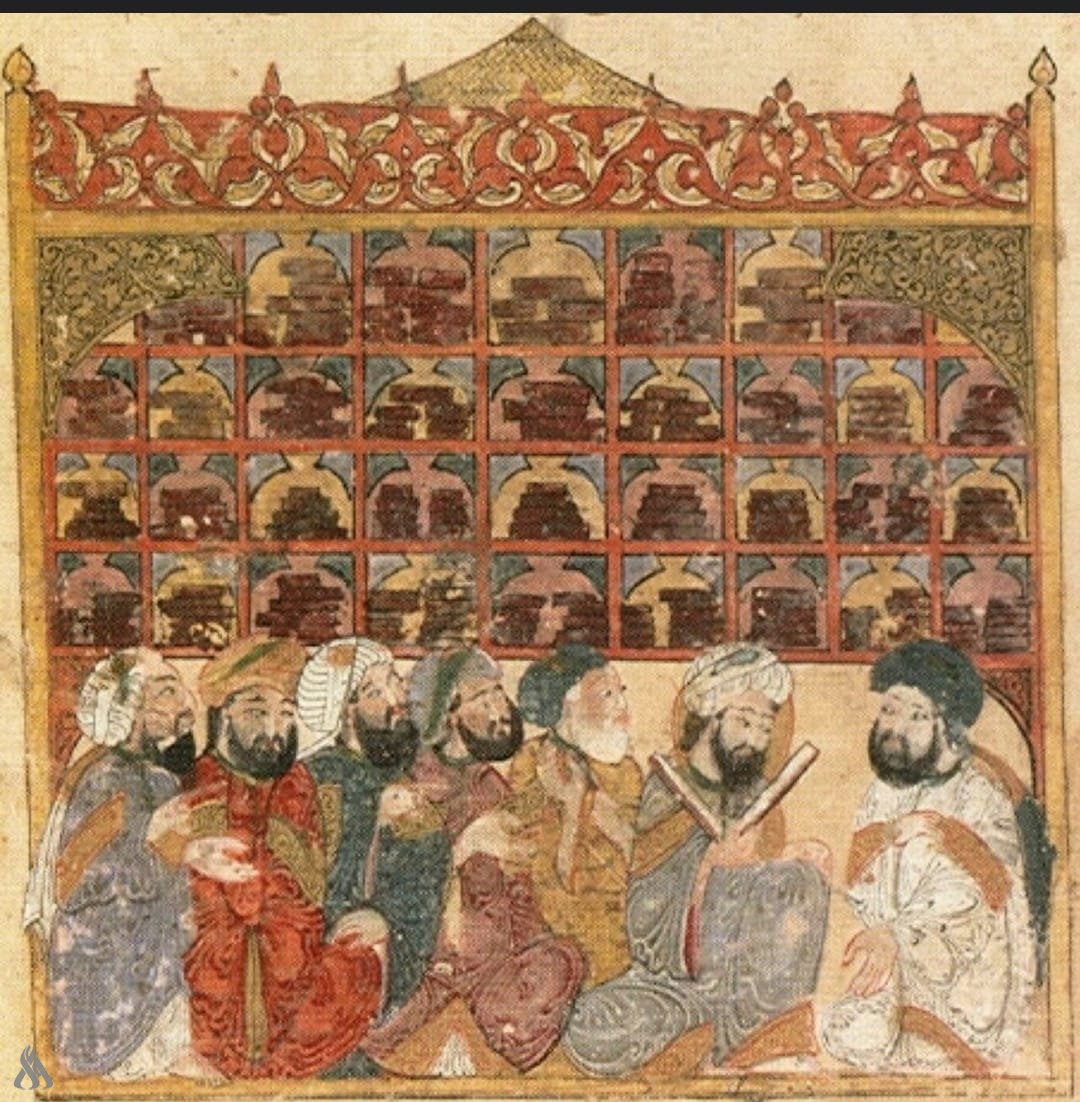
Iraq holds a prominent position in the history of translation, particularly during the Abbasid era, when Baghdad became a center for a vast scientific movement that translated works from Greek, Persian, Syriac, and Indian into Arabic, contributing to the transfer of knowledge in medicine, astronomy, mathematics, and philosophy.
During this period, several renowned figures in translation and sciences emerged, including Hunayn ibn Ishaq, Ibn al-Muqaffa, Thabit ibn Qurra, and Al-Kindi, as the translation movement was linked to institutions and scientific centers that contributed to collecting manuscripts and transferring knowledge.
Since the manuscript era, translation has undergone successive transformations that included the emergence of the printing press, modern dictionaries, and simultaneous interpretation, leading to the computer, terminology databases, and translation memories, followed by machine translation which evolved from rule-based systems to statistical methods and neural networks.
With the spread of generative artificial intelligence, translation systems have become capable of producing texts in multiple languages within seconds, handling varying degrees of context and style, as well as assisting translators in researching terminology, standardization, text review, and managing large amounts of material.
Conversely, these technologies have imposed new challenges on the translation market, with some clients resorting to machine translation that is later subject to human review, raising discussions about the nature of work, its remuneration, and the translator's role in light of the expanded use of digital tools.
The importance of human review is particularly highlighted in medical, legal, and media fields, where errors in terminology, names, or context can change the meaning or lead to significant consequences.
Literary translation remains one of the fields that requires extensive human presence, given its inclusion of style, rhythm, cultural references, irony, and local expressions, as well as the need to preserve the impact that the original text leaves on the reader.
In Iraq, translation takes on additional importance in light of linguistic and cultural diversity, with a need to develop linguistic resources, corpora, and databases for minority components and languages that are less present in digital content, contributing to the preservation of cultural diversity and facilitating access to information and services.
Experts believe that technological advancement may redefine the translation profession more than it ends it, as the translator's role is moving toward specialization, critical review, terminology management, understanding cultural contexts, along with the ability to use AI tools and evaluate their outputs.
After long centuries of development in translation, the profession today seems to be facing a new transformation imposed by the machine's ability to produce text, while maintaining accuracy, context, meaning, and professional responsibility remains a core element in the translation process.