The eighth edition of the Egyptian Shopping Festival kicked off this evening, Tuesday, in Kirkuk, with the participation of traders and companies specialized in clothing, abayas, and perfumes, amid hopes of revitalizing commercial activity and enhancing cultural exchange, despite challenges related to fluctuations in the dollar exchange rate and rising commodity costs.
The festival's general supervisor, Hazem Fathi, stated in a statement to the news agency that the festival aims to bring together traders and owners of various products in one event, allowing citizens to learn about the exhibits, compare prices and designs, and choose what fits their needs and financial abilities.
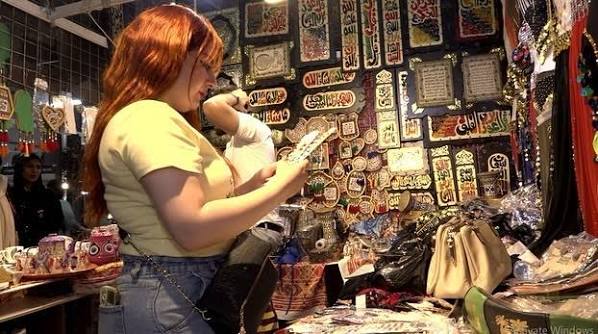
He added that the festival is not limited to the commercial aspect but represents a space for cultural communication and showcasing diverse products, in addition to strengthening the relationships between participants and the public. He emphasized the importance of considering the living conditions of citizens and providing options at appropriate prices.
For his part, participating trader Mahmoud Al-Masri confirmed that the festival represents an opportunity to enhance commercial and cultural exchange and invigorate the markets, pointing out that the rise in the dollar price and currency differences have posed challenges for traders due to their impact on commodity costs.
Al-Masri stressed that these challenges will not push participants to raise prices, emphasizing the commitment to keep them at levels suitable for customers and maintain consumer trust, especially given the economic conditions compelling families to consider their budgets while shopping.
The festival features a diverse range of clothing, abayas, and perfumes, allowing visitors to compare quality, designs, and prices in one place, in addition to direct communication with traders and familiarization with the presented products.
Participants hope that the eighth edition of the festival will contribute to attracting shoppers and stimulating commercial activity in Kirkuk, as well as expanding communication opportunities between traders and consumers and enhancing cultural and social exchange.