The city of Khanqin in Diyala province concluded the activities of the first date and folk arts festival, which was held from October 9 to 11, with wide participation from farmers, craftsmen, and artists, and a notable public attendance reflecting interest in the agricultural and cultural heritage of the city.
The festival was organized by the "Dar Al-Shahid Salam Cultural Foundation" in cooperation with relevant cultural entities, along the banks of the Al-Wand River, aiming to highlight the agricultural and artistic potentials owned by Khanqin, introduce its local products and folk heritage, as well as enhance communication between producers, artists, and visitors.
The head of the foundation, Abbas Abdul Razzaq, stated to the Video News Agency that the festival aimed to shed light on the agricultural wealth and cultural and artistic energies of the city, providing an opportunity for farmers, craftsmen, and small project owners to showcase their products and creations, emphasizing that the first edition is a step towards organizing broader annual events.
For his part, the supervising committee member, Nihad Hussein Al-Khayat, explained that the festival witnessed participation from about 50 orchard owners, more than 100 participants from craftsmen and local product producers, in addition to showcasing more than 270 types of dates, with producers from various areas in Diyala and the Kurdistan Region, along with participants from Kermanshah, Iran.
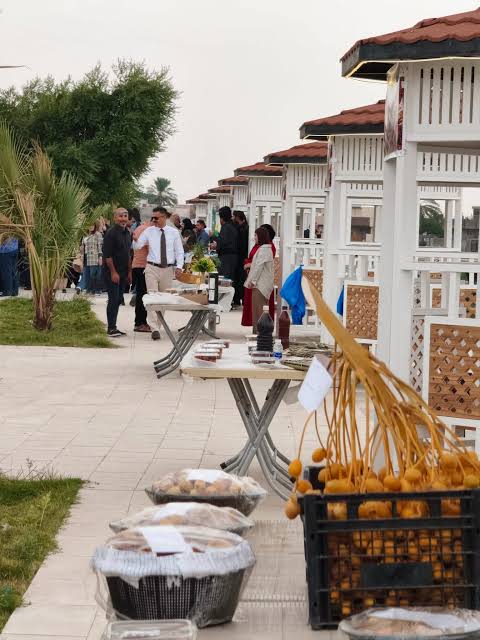
The artistic side saw the participation of more than 80 visual artists from various Iraqi areas, presenting works inspired by the nature of Khanqin, its palm trees, and scenes of the Al-Wand River, alongside musical performances and folk arts that contributed to adding a heritage atmosphere to the activities.
The visual artist Fadia Al-Naimi emphasized that the artistic participation aimed to document the beauty of the city and its cultural heritage, highlighting the relationship between humans, the land, and local identity, pointing to the positive interaction shown by the people of Khanqin toward the participating artists.
In the economic aspect, participants proposed the establishment of a specialized market for marketing dates in Khanqin, aimed at providing an organized outlet for marketing agricultural products and enhancing direct communication opportunities between farmers and consumers, as well as supporting home-based projects, handicrafts, and local products.
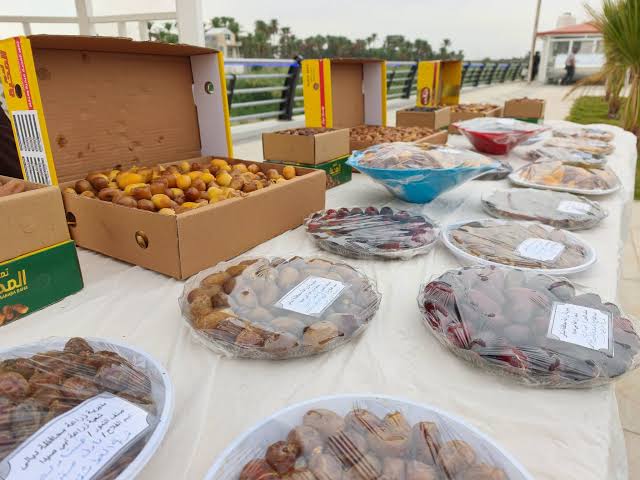
On the community level, the festival attracted visitors from Khanqin and other areas, who praised the importance of organizing cultural and heritage events in highlighting the city’s history and enhancing its presence, calling for the continuation and development of the festival in the coming years.
The cooperation between the organizing committee, security forces, and service institutions contributed to preparing suitable conditions for holding the events. One visitor noted that the festival attracted more than ten thousand people during its three days.
The supervising committee aspires to organize the second edition next year, expanding participation and developing agricultural and artistic activities, in a way that enhances Khanqin’s cultural standing and opens new horizons for marketing its local products and supporting its farmers and craftsmen.