Mauritania enters a new political phase following President Mohamed Ould Cheikh El Ghazouani's announcement of the formation of a government headed by Mokhtar Ould Ajay, after the resignation of the previous government. This step comes amid the repercussions of a power crisis that hit the capital, Nouakchott, following two fires at electrical facilities that caused power outages in parts of the city for several days, according to the data reported in the report.
The significance of these developments goes beyond a change in the government lineup; it extends to testing the authorities' ability to address the imbalances affecting essential services, enhancing confidence in institutional performance, and determining responsibilities for the failures that impacted the daily lives of residents.
Two fires reveal shortcomings in the electricity sector
The roots of the crisis trace back to two fires that broke out at two power transformation stations belonging to the Mauritanian Electricity Company "Somelec" in Nouakchott on August 18 and 21, 2026, according to the Mauritanian news agency. The incidents led to widespread disruptions in electricity supply, with effects extending to areas of the capital and its surroundings, and power outages lasting between three to five days depending on the affected areas.
The repercussions were not limited to power outages affecting homes and stores but also impacted essential services, including water pumping and the operation of health and administrative facilities, in addition to damages sustained by residents' properties and economic activities.
The crisis brought to the forefront questions regarding the readiness of the electrical infrastructure, adherence to safety and maintenance standards, and the capability of relevant institutions to manage major incidents and ensure the continuity of vital services.
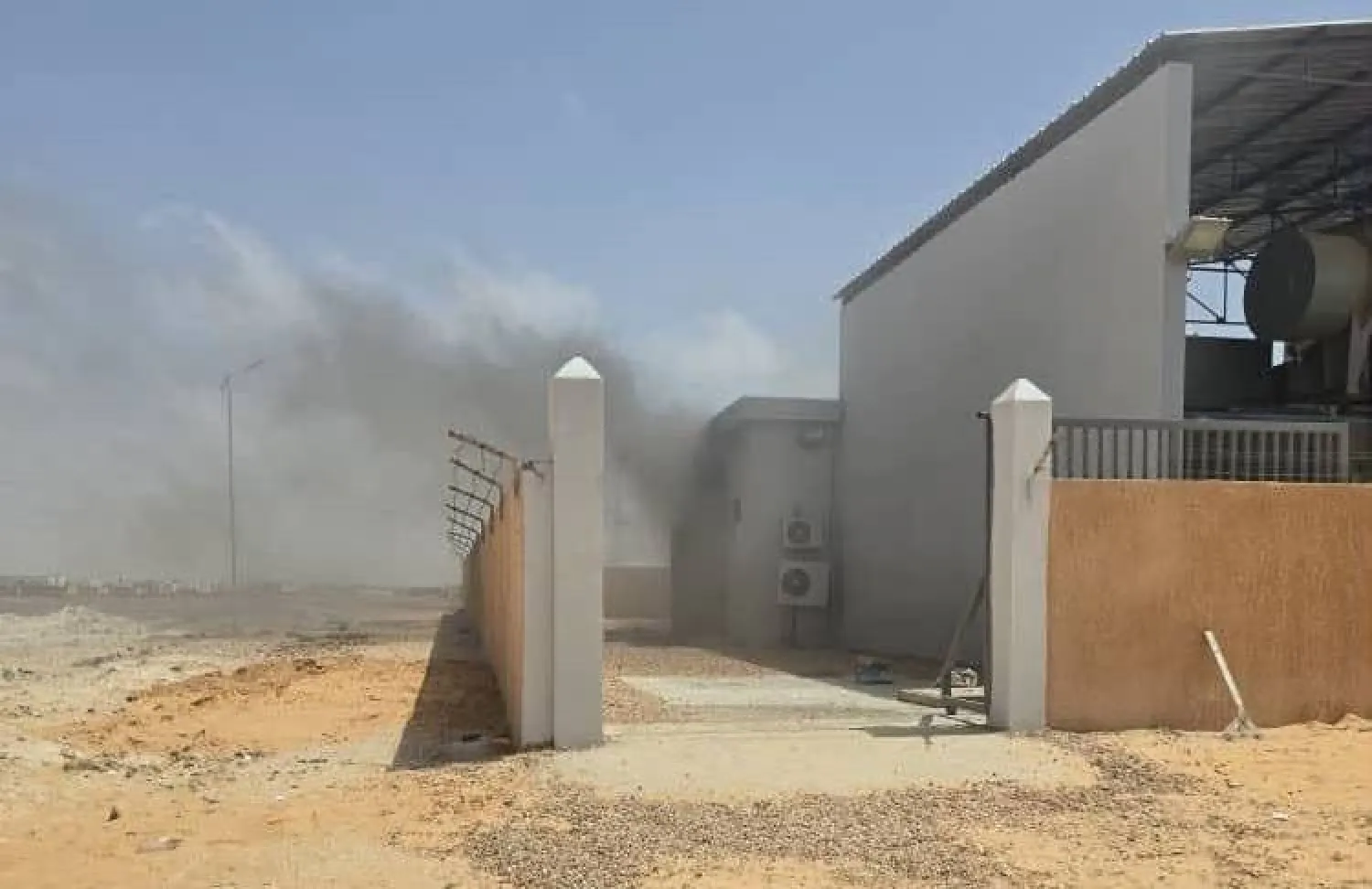
The government's resignation coincided with the release of results from an independent investigation committee, which President Mohamed Ould Cheikh El Ghazouani received in a report on October 8, before announcing the government resignation the following day. The report, according to media outlets, revealed technical and administrative deficiencies in the preparation, implementation, and monitoring of a project to develop electrical connections.
Among the major observations included in the investigation results were changes in the specifications of the cables used without completing the necessary technical tests, weak supervision over the works, operation of equipment despite unresolved technical reservations, in addition to observations regarding the procedures for awarding the contract and the qualifications of the implementing company.
The report also noted shortcomings in electrical safety and protection procedures and emergency management, and put forward recommendations regarding terminating the contract with the executing company, assessing the safety of electrical installations, determining responsibilities, and enhancing coordination between the parties concerned in emergency interventions.
These results put the authorities to the test regarding their ability to translate the investigation findings into practical measures, whether through administrative accountability, reforming the maintenance and oversight system, or reviewing the mechanisms for awarding public contracts.
Government resignation and reappointment of Ould Ajay
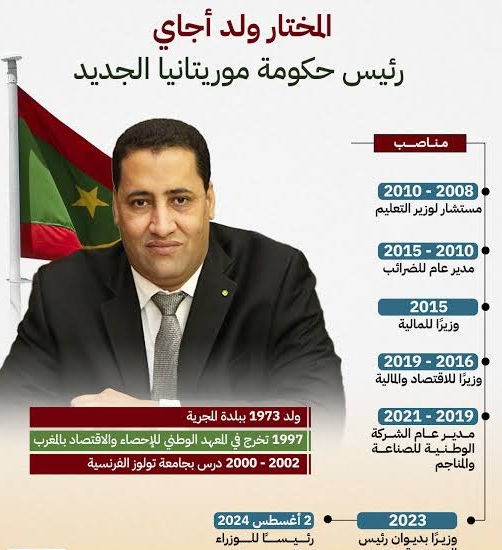
On October 9, Prime Minister Mokhtar Ould Ajay submitted his government's resignation to the Mauritanian president after more than two years in office. However, the presidency announced the renewal of confidence in him and tasked him with forming a new government, indicating continued reliance on him to lead the next phase.
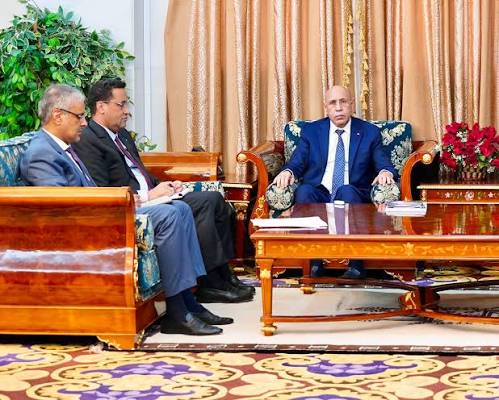
The timing of the resignation and the release of the investigation report calls for distinguishing between official facts and political conclusions. The timing links the two events in the same context but is not sufficient by itself to prove that the fires at the electricity stations were the sole cause of the government's resignation, as the initial presidential announcement did not specify the reasons for the resignation in detail.
Nonetheless, the issuance of the report prior to the resignation made the electricity crisis a central focus in interpreting the government change, especially in light of what the investigation uncovered regarding deficiencies in project implementation and oversight.
Government changes and messages regarding accountability
The new government lineup was announced on October 10, witnessing changes in some ministerial portfolios, coinciding with the political and administrative repercussions of the electricity crisis. Reports indicated the departure of Energy Minister Mohamed Ould Khaled from his position, while Ould Ajay retained the presidency of the government.
These changes gain significance as they come after an investigation that identified shortcomings and responsibilities related to the electricity project. However, the effectiveness of the government's response will not be measured merely by changing officials, but by the extent of implementing the recommendations, holding accountable those found negligent according to legal procedures, and ensuring that similar incidents do not recur.
Furthermore, the new government's success in managing the file requires clarifying to the public the actions taken, the timeline for repairing damaged facilities, and the technical and supervisory guarantees that will be adopted to protect the electrical network.
What challenges does the new government face?
Ould Ajay's government faces a set of interrelated challenges, the foremost being restoring citizens' trust in the ability of public facilities to provide stable services, improving the performance of the electricity sector, and enhancing oversight over public projects.
Priorities also include:
Reforming the electricity sector: Reviewing maintenance and safety procedures, and strengthening supervision over facilities and transmission and transformation lines.
Enhancing transparency: Publishing information related to the investigation findings and actions taken regarding identified violations.
Determining responsibilities: Ensuring the follow-up of recommendations and applying accountability according to the law, away from mere administrative changes.
Protecting essential services: Developing emergency plans to ensure the continuity of electricity and water supplies, and health services in the event of similar incidents.
Improving contract management: Strengthening the criteria for technical qualification and oversight during execution, and ensuring equipment used conforms to the approved specifications.
These files remain related to broader challenges facing public administration, including spending efficiency, service quality, and institutions' responsiveness to residents' needs.
A new phase under the test of results
Recent developments place Mauritania before a test that goes beyond forming a new government, encompassing the executive authority's ability to address the shortcomings revealed by the electricity crisis and proving that the investigation results will translate into tangible reforms.
Between renewing confidence in Mokhtar Ould Ajay and reshaping the government team, attention turns to the steps the authorities will take in terms of accountability, reforming electrical infrastructure, and improving oversight mechanisms for public projects.
Ultimately, the importance of the government change will be determined by the extent to which it reflects on institutional performance and citizens' lives, not merely by swapping names and positions. The crisis has opened a discussion on responsibility, transparency, and service quality, while the main challenge remains ensuring that widespread electricity outages do not recur and that the investigation recommendations become clear actions whose results can be evaluated and those responsible for their implementation held accountable.