Thailand has established itself as one of the major Asian centers for fertility. In Bangkok, modern private clinics welcome thousands of foreigners each year seeking IVF, egg donation, or other medical assistance procedures for reproduction. Chinese, Korean, European couples, or those from Southeast Asia, many look to Thailand for what they cannot find in their home countries, whether it's shorter waiting times, affordable prices, or a medical framework considered more flexible.
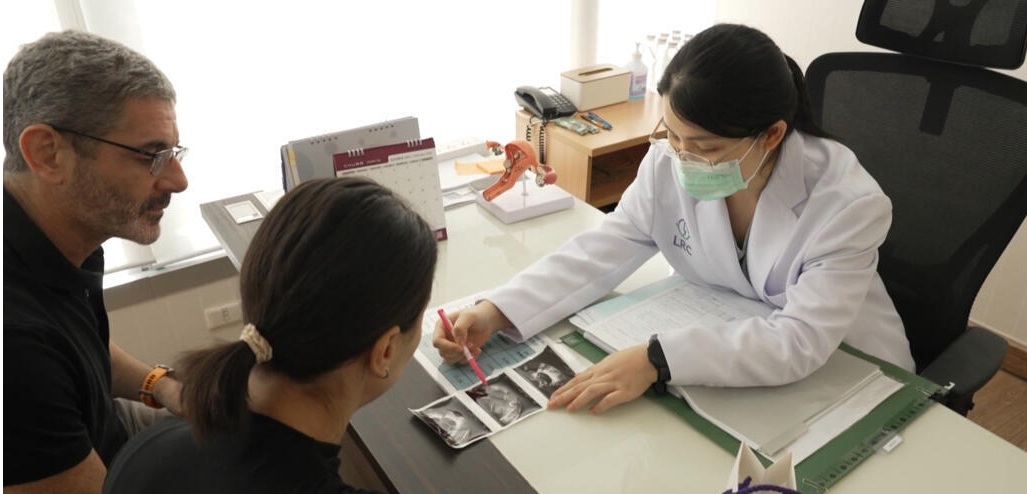
In Bangkok's clinics, fertility is now marketed as an international service: hotels, translators, medical packages, enhanced appointments, and personalized follow-ups. For these foreign couples, coming to Thailand is often the final stage of a long, costly, emotionally and financially exhausting journey.
But behind the reassuring image of high-tech hospitals, the market also includes dark areas. Foreign demand, particularly from China and Korea, fuels an ecosystem of brokers and agencies, and sometimes illegal networks. NGOs warn of the recruitment of young Thai or Cambodian women to provide eggs. It is promoted that some are contacted via social media or messaging apps, receiving payments of a few thousand euros to undergo a heavy medical procedure, with little information about the risks involved.